


why classic cars struggle in cold weather
For many classic car owners, the arrival of autumn and winter marks a change in how and when their vehicles are used. Colder temperatures can highlight issues that may go unnoticed during warmer months, particularly on vehicles that are now several decades old.
From difficult cold starts to poor heating and increased condensation, classic cars can present a different set of challenges during the colder months.

cold starting problems
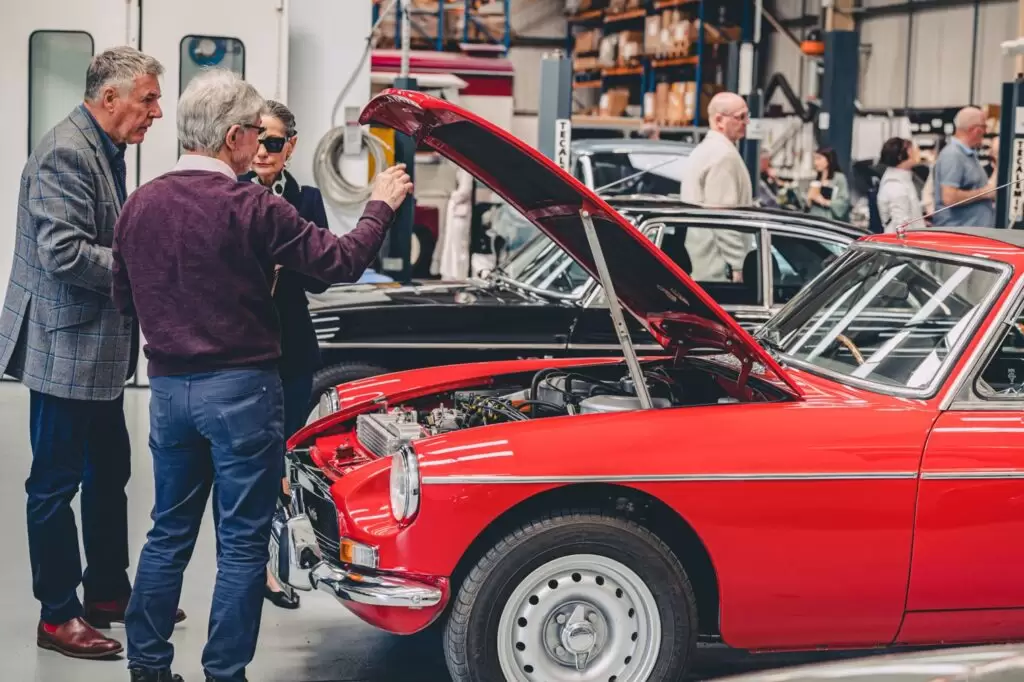
Starting a classic car after a cold night can put additional demands on the battery, starter motor, ignition system, and fuel system.
Carburettors, older ignition systems, and mechanical components can all behave differently in lower temperatures. If your classic is becoming increasingly difficult to start, it may be a sign that an underlying issue needs investigating rather than simply being a result of the weather.
battery performance
Cold temperatures can affect battery performance, making a marginal or ageing battery more likely to show signs of weakness.
If your classic is used less frequently during winter, maintaining the battery becomes particularly important. A vehicle that has been sitting unused for several weeks may require more attention before it is ready to return to the road.
heating and demisting
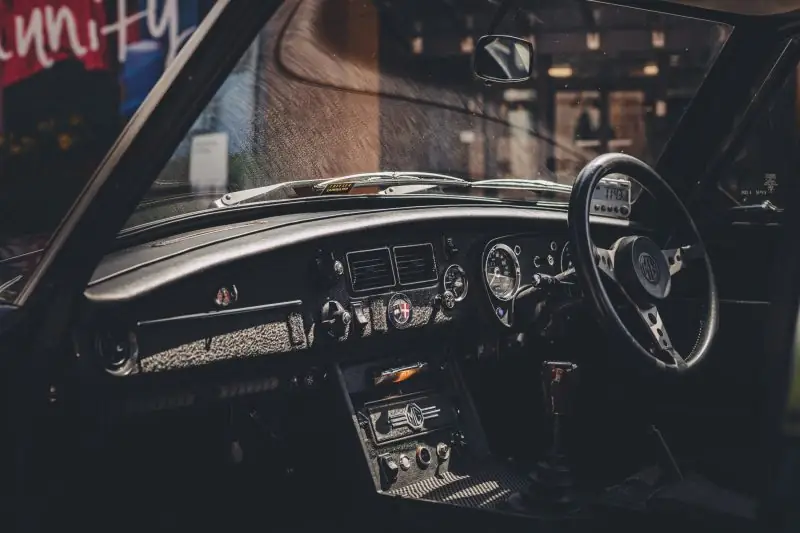
Heating becomes much more important once temperatures begin to fall.
Older heater systems may provide limited airflow or heat compared with modern vehicles, while issues such as blocked heater matrices, ageing components, poor airflow, or failing blower motors can further reduce performance.
A properly functioning heating and ventilation system is also important for demisting the windscreen and maintaining visibility in cold and damp conditions.
brakes tyres and fluids
Cold and wet weather can also highlight problems with brakes, tyres, suspension, and other mechanical components.
Vehicles that have been standing for long periods can develop issues such as sticking brakes, deteriorated tyres, or fluid leaks. A seasonal inspection can help identify these problems before they become more serious.
don’t ignore small changes
One of the best ways to protect a classic through the colder months is to pay attention to changes in how it behaves.
Difficulty starting, unusual noises, poor heating, reduced braking performance, or changes in handling should not simply be put down to the weather.
Early investigation can often prevent a relatively straightforward repair from developing into a larger problem.
keeping your classic road ready
Whether you continue driving throughout autumn and winter or plan to store your classic until spring, seasonal preparation is important.
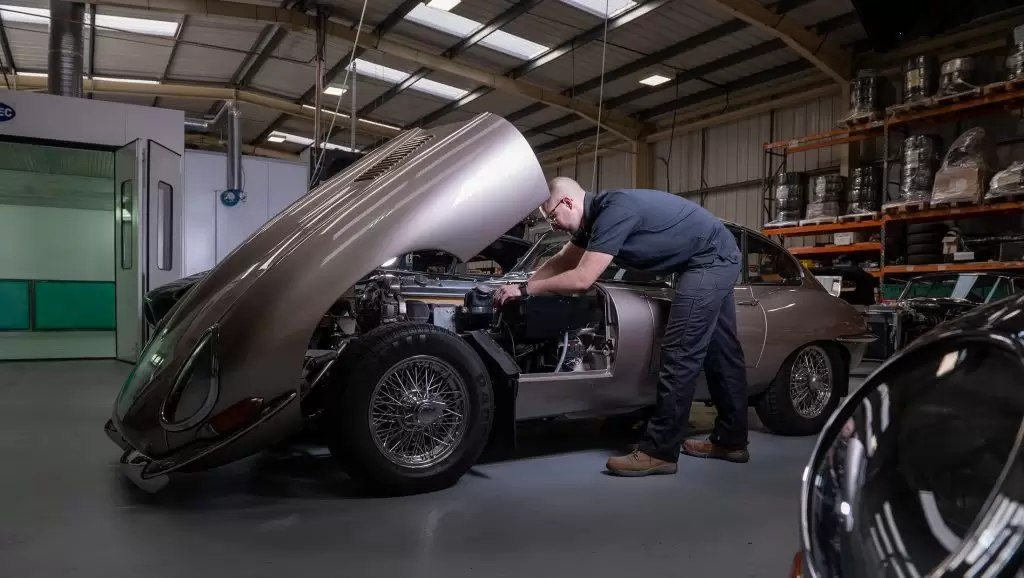
Our workshop team has experience working with a wide range of classic vehicles, from routine servicing and mechanical repairs to heating upgrades, restoration, and recommissioning.
If your classic is showing signs of winter-related problems, get in touch with our team to discuss how we can help.